
Love what you drive? Start your upgrade with handcrafted carbon fiber parts and accessories, precision-built for performance, style, and individuality.
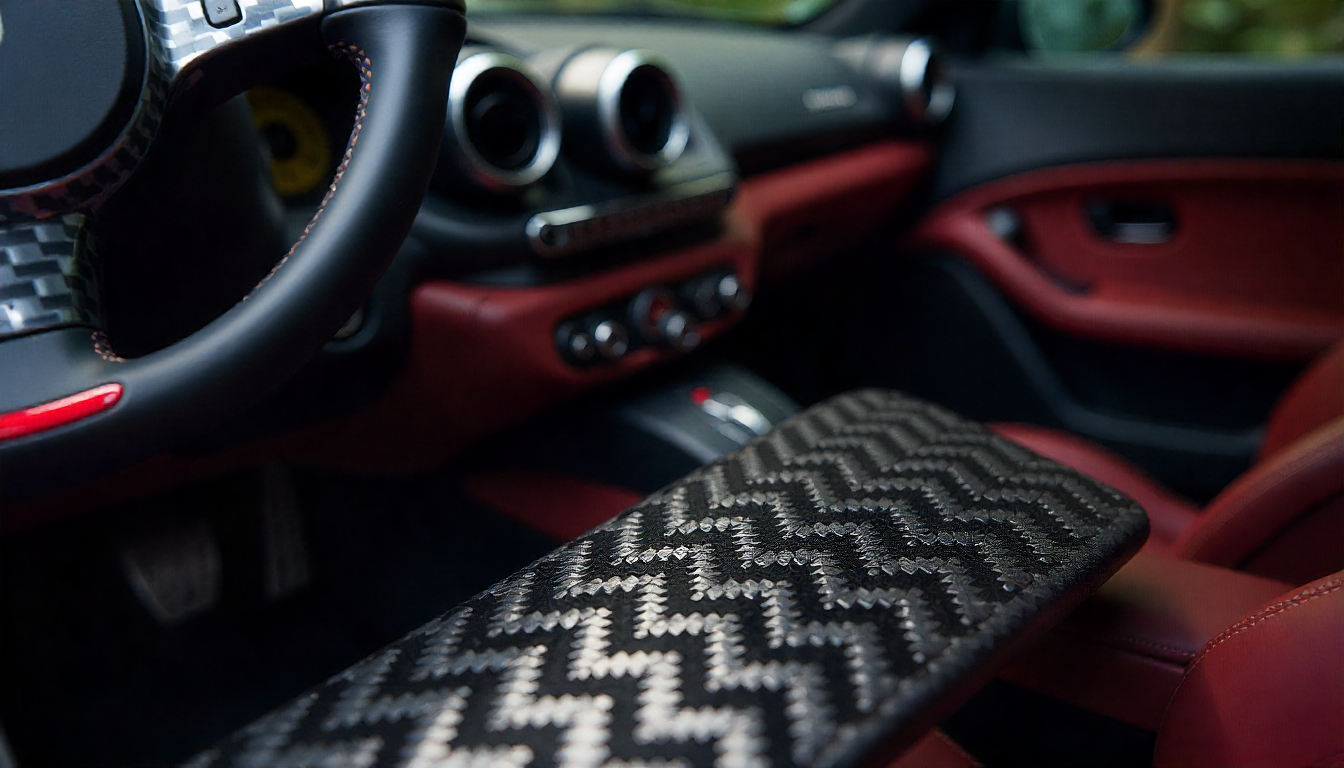
When you invest in something as premium and precise as carbon fiber automotive parts, you’re not just buying performance—you’re buying craftsmanship and a future that deserves to last. The big question many discerning enthusiasts ask is: Can carbon fiber be recycled? The answer is yes, carbon fiber can be recycled, but it’s a complex process filled with unique challenges. Unlike metals such as aluminum, which can be melted and reshaped with relative ease, carbon fiber is often bound within a polymer matrix. Separating the fiber from this matrix requires advanced techniques, and while possible, the process isn’t as straightforward as many would hope. Still, the promise of recycling opens new doors to sustainability in luxury automotive culture.
Key Takeaways
- Carbon fiber can be recycled, but methods vary in efficiency and quality.
- Thermal, chemical, and mechanical recycling are the three main approaches.
- Recycled fibers often lose strength compared to virgin carbon fiber.
- Recycling reduces environmental impact and lowers carbon footprint.
- Costs and infrastructure remain the biggest hurdles.
- Growing markets are emerging for recycled carbon fiber in both automotive and lifestyle applications.
- Premium brands like Exotic Carbon Fiber continue to push forward in sustainability without compromising on performance.
Can Carbon Fiber Be Recycled? Understanding the Process

Carbon fiber automotive parts are celebrated for their lightweight strength, heat resistance, and undeniable aesthetic appeal. But when a piece reaches the end of its life—whether a cracked spoiler, worn interior trim, or damaged custom carbon fiber steering wheel—the natural question arises: what happens next?
Unlike many other materials, carbon fiber cannot simply be melted down. Instead, specialized recycling methods are required to recover the fibers from the composite structure. Let’s explore how these methods work.
Recycling Methods for Carbon Fiber Car Parts
Thermal Recycling: Pyrolysis in Action
Thermal recycling is the most common process used today. By applying high heat in the absence of oxygen (known as pyrolysis), the polymer matrix burns away, leaving the carbon fibers behind.
- Advantages: Reliable and scalable; fibers can be reused.
- Disadvantages: Fibers are shorter and weaker, limiting their use to lower-value applications (downcycling).
Chemical Recycling: Protecting Fiber Integrity
Chemical recycling is a promising innovation. It involves using solvents to dissolve the polymer without damaging the carbon fibers. This not only preserves fiber strength but also has potential to recover the matrix material.
- Advantages: High-quality fiber recovery; more sustainable.
- Disadvantages: Still in development; expensive; requires specialized infrastructure.
Mechanical Recycling: Fast but Limited
Mechanical recycling involves shredding or grinding composites into small pieces. The result can be reused as filler material in aftermarket carbon fiber upgrades, plastics, or even concrete.
- Advantages: Quick and inexpensive.
- Disadvantages: Severely reduces fiber performance and usability.
Challenges in Recycling Carbon Fiber Automotive Parts
Cost and Infrastructure
Recycling requires high energy, specialized equipment, and processing facilities. Unlike aluminum or steel, the infrastructure for carbon fiber recycling is still limited globally.
Loss of Quality
Most recycling methods produce fibers weaker than virgin material. This means that premium carbon fiber components used in supercars often can’t be directly replaced with recycled versions—at least not yet.
Limited Demand
While sustainability is becoming a bigger priority, the market for recycled carbon fiber is still developing. Most of it currently finds use in non-structural automotive components or consumer accessories.
Opportunities in Sustainable Carbon Fiber
Despite these challenges, the opportunities are exciting:
- Lower Carbon Footprint: Recycling carbon fiber uses significantly less energy than producing virgin material.
- Emerging Markets: Lifestyle products such as carbon fiber money clips, carbon fiber cigar holders, and carbon fiber key fobs and gifts are already being made from recycled material.
- Future Potential: With ongoing research, recycled carbon fiber could soon find its way into high-performance automotive applications again.
Comparing Carbon Fiber Recycling Methods
| Method | Process Description | Advantages | Disadvantages |
|---|---|---|---|
| Thermal (Pyrolysis) | Burns off matrix using heat | Common, scalable | Weakens fibers (downcycling) |
| Chemical | Solvents dissolve matrix without harming fibers | Preserves fiber strength, sustainable | Expensive, under development |
| Mechanical | Shreds or grinds composites | Fast, inexpensive | Severely degrades fibers |
The Role of Exotic Carbon Fiber in Sustainability
At Exotic Carbon Fiber, we understand that performance and sustainability go hand in hand. While our handcrafted carbon fiber car parts are designed for maximum longevity, we also support carbon fiber repair services to extend the lifespan of your investment. A cracked carbon fiber dashboard trim or scratched custom carbon fiber steering wheel doesn’t have to be discarded—our proprietary refinishing keeps it looking and performing like new.
Our commitment goes beyond cars. From UV-resistant carbon fiber license plate frames to personalized carbon fiber accessories like key fobs and carbon/Kevlar custom finishes, we ensure that every piece is crafted with precision, durability, and a focus on long-term value. And because everything we make is Made in the USA, you enjoy direct-supplier transparency without hidden costs.
Lifestyle Applications of Recycled Carbon Fiber
Recycled carbon fiber isn’t just for cars. It’s finding a home in luxury accessories, giving enthusiasts new ways to showcase their passion:
- Carbon fiber money clips
- Carbon fiber valve stem caps
- Carbon fiber cigar holders
- Carbon fiber interior mods
These accessories offer a sustainable way to enjoy the beauty of carbon fiber, even when full automotive-grade applications aren’t possible.
Why Recycling Matters for Automotive Enthusiasts
Owning a Ferrari, Lamborghini, Porsche, or McLaren isn’t just about speed—it’s about the culture of excellence. Recycling carbon fiber supports a sustainable future for this culture. Imagine knowing that your lightweight car performance upgrades don’t just enhance driving but also reduce environmental impact. That’s a legacy worth investing in.
“Every piece of handcrafted carbon fiber carries both performance and responsibility—recycling ensures we respect both.”
FAQs About Carbon Fiber Recycling
Can all carbon fiber car parts be recycled?
Yes, but the process and quality of recovery depend on the recycling method. Structural parts may be more difficult to recycle effectively.
Does recycled carbon fiber perform as well as new?
Not yet. Most recycled fibers are weaker and shorter, but research is improving their quality.
Is carbon fiber recycling environmentally friendly?
Yes, recycling carbon fiber uses much less energy than producing virgin material and significantly lowers the carbon footprint.
Can I repair carbon fiber instead of recycling?
Absolutely. Exotic Carbon Fiber offers specialized carbon fiber repair services to restore damaged parts, which is often the most sustainable option.
Where is carbon fiber recycling most used?
Currently, recycled fibers are common in lifestyle products, filler materials, and some aftermarket carbon fiber upgrades.
Conclusion: A Sustainable Future for Premium Carbon Fiber
So, can carbon fiber be recycled? Yes, but it’s complex, evolving, and full of opportunity. While challenges remain—cost, infrastructure, and fiber quality—the automotive and luxury industries are driving demand for innovation. At Exotic Carbon Fiber, we balance sustainability with uncompromising craftsmanship, ensuring that every exotic car carbon fiber part delivers both performance and purpose.
If you’re looking to enhance your ride with custom carbon fiber accessories, explore our full range of products, from titanium wheel bolts and aluminum wheel spacers to premium carbon fiber components. Together, we can drive not just faster—but smarter, cleaner, and with enduring style.
Explore more at Exotic Carbon Fiber and discover how handcrafted carbon fiber made in the USA elevates both your car and your lifestyle.
By: Exotic Carbon Fiber Editorial Team
Disclaimer: This blog post is for informational purposes only and should not be considered professional advice.