
Love what you drive? Start your upgrade with handcrafted carbon fiber parts and accessories, precision-built for performance, style, and individuality.
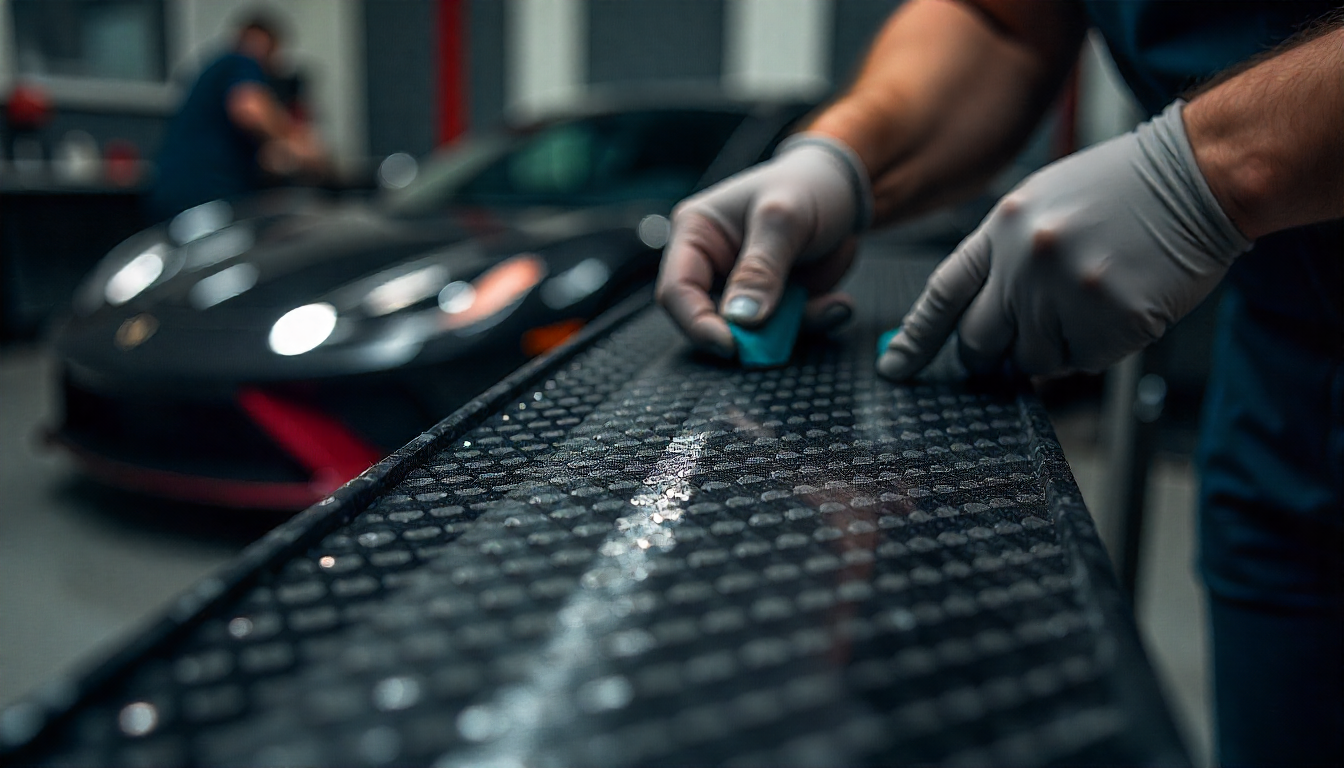
There’s a certain sinking feeling that comes when you notice a scratch, crack, or worse, a fracture in your prized carbon fiber part. Whether it’s a handcrafted carbon fiber hood, custom carbon fiber steering wheel, or one of those sleek carbon fiber license plate frames you proudly installed, the question immediately arises: “Is it hard to repair carbon fiber?”
The honest answer? Repairing carbon fiber can range from relatively easy to extremely difficult — all depending on the extent and type of damage, the part’s purpose, and the expertise available. Cosmetic fixes for minor scuffs are sometimes within the reach of a skilled DIYer. But when structural integrity, performance, and safety are on the line, repairs require a level of craftsmanship, tools, and materials that go far beyond a standard garage.
Key Takeaways
- Carbon fiber repair difficulty varies with the damage type and part complexity.
- Cosmetic fixes are often manageable; structural repairs demand professional expertise.
- Delamination and internal damage may require advanced diagnostic tools.
- Repairs to load-bearing parts must restore the original strength and fiber orientation.
- Using correct materials and resins is vital to prevent weak bonds.
- Complex shapes are much harder to repair than flat surfaces.
- Exotic Carbon Fiber offers expert carbon fiber repair services with U.S.-based craftsmanship.
Understanding the Complexity of Carbon Fiber Repair
What Makes Carbon Fiber Repair Hard?
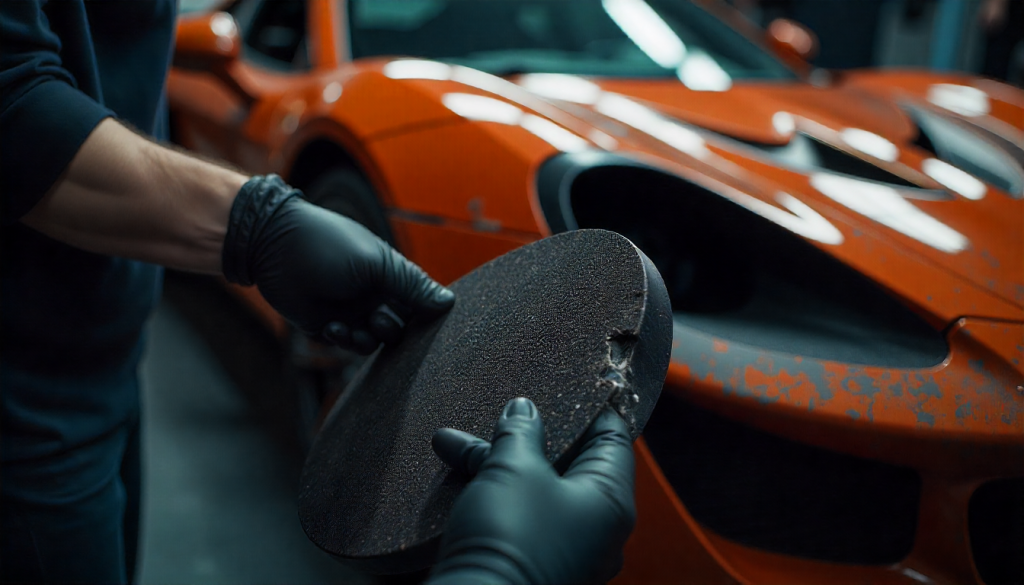
Repairing carbon fiber car parts isn’t like working with metal or plastic. The material’s strength comes from meticulously layered weaves, bonded with high-performance resins. When these layers separate (a problem known as delamination), or when a load-bearing component suffers a crack, repairing it requires restoring not just shape, but structure.
Internal Damage Can Be Hidden
Not all damage is visible to the naked eye. High-end parts like carbon fiber dashboard trim or carbon fiber interior mods may look fine outside but suffer from internal separation. Detecting this kind of damage may require tools like ultrasound or thermography, generally out of reach for home repairs.
Matching the Fiber Orientation is Crucial
When restoring premium carbon fiber components, you must match the original weave direction and resin type. Misaligned repairs can create “hard spots” that distribute loads unevenly, increasing the risk of future failure.
Specialized Tools and Skills Are Required
Vacuum bagging, autoclaving, and curing under specific heat and pressure conditions are all part of professional repair. These aren’t optional; they’re required if you expect your repaired handcrafted carbon fiber to perform like new.
Every carbon fiber part tells a story — of craftsmanship, performance, and personality. Repairing one isn’t just fixing a flaw; it’s preserving the soul of your vehicle.
When Repairs Are More Manageable
Not all damage calls for expert intervention. Here’s when carbon fiber repair can be a more approachable task:
- Cosmetic Damage Only: Clear coat scratches or surface chips on your UV resistant carbon fiber license frame or carbon fiber key fobs and gifts can be sanded, polished, and refinished.
- Non-Structural Components: Aesthetic parts like carbon fiber money clips, cigar holders, or decorative trims pose lower risks.
- Small Localized Damage: Some cracks or holes can be patched using a repair kit, especially on simple, flat surfaces.
But even then, the goal isn’t just to hide the damage — it’s to restore that flawless, refined look that Exotic Carbon Fiber customers expect.
Common Repair Scenarios and Difficulty Table
| Type of Carbon Fiber Component | Type of Damage | Repair Difficulty | DIY-Friendly? |
|---|---|---|---|
| Carbon fiber hood or fender | Surface scratch | Low | Yes |
| Carbon fiber license plate frame | Minor crack or chip | Low | Yes |
| Carbon fiber dashboard trim | Small delamination | Medium | Possibly |
| Custom carbon fiber steering wheel | Structural crack | High | No |
| Carbon fiber body panel (curved surface) | Deep impact + delamination | Very High | No |
Why Professional Repairs Are Worth It
Structural Integrity Comes First
When it comes to performance car customization, strength is everything. A compromised part on your McLaren or Ferrari isn’t just a cosmetic issue; it can affect safety and performance. Our expert repair team at Exotic Carbon Fiber ensures that each fiber, resin, and layer is applied exactly as needed for restored functionality.
Aesthetics That Match Perfection
Repairs should not only restore function but also seamlessly blend with the original weave pattern and finish. Whether it’s a high-gloss carbon/Kevlar custom finish or a matte stealth look, our U.S.-based experts match it down to the last detail.
Made in the USA, Made to Last
Every piece we repair or customize is done at our U.S. facility with full control over materials and techniques. No offshore outsourcing. No hidden costs. Just meticulous attention to detail that lives up to the Exotic Carbon Fiber name.
The difference between a patch and a precision repair is the difference between temporary and timeless.
List of Carbon Fiber Items We Commonly Restore
- Carbon fiber interior and dashboard trims
- Custom carbon fiber steering wheels
- Carbon fiber license plate frames
- Carbon fiber mirror caps
- Carbon fiber hoods and roof panels
- Carbon fiber key fobs, cigar holders, and money clips
- UV-protected carbon fiber overlays
FAQs About Carbon Fiber Repair
Can I repair my own carbon fiber part?
You might be able to fix minor scratches or chips on non-critical parts. But anything involving structure, layers, or load-bearing areas should be handled by professionals.
How do I know if my carbon fiber part has internal damage?
If there’s been a strong impact, even if there’s no visible damage, internal layers may have separated. Professional diagnostic tools like ultrasound are required to detect delamination.
How long does professional repair take?
Depending on the complexity, repairs can take anywhere from a few days to a couple of weeks. This includes curing time, testing, and finishing.
Will the repaired part look as good as new?
Absolutely — when done by professionals. At Exotic Carbon Fiber, we ensure that even repaired components match the original aesthetic and structural integrity.
Is carbon fiber repair expensive?
The cost depends on the type of damage, the part, and required materials. However, we maintain full transparency with no hidden fees or setup charges.
When in Doubt, Choose Expertise
If you’re ever unsure about the extent of damage, don’t risk compromising the strength and beauty of your exotic car. With over 750 precision products and deep experience in aftermarket carbon fiber upgrades, we offer carbon fiber repair services that reflect the same dedication we bring to our original pieces.
From titanium wheel bolts to aluminum wheel spacers, personalized carbon fiber accessories to full-body enhancements — every component deserves the care and craftsmanship that only Exotic Carbon Fiber can deliver.
Explore our Carbon Fiber Repair Services or browse our Custom Carbon Fiber Accessories to find new inspiration.
Because in this world of high-performance, high-luxury automotive art, perfection isn’t optional — it’s the standard.
By: Exotic Carbon Fiber Editorial Team
Disclaimer: This blog post is for informational purposes only and should not be considered professional advice.