
Love what you drive? Start your upgrade with handcrafted carbon fiber parts and accessories, precision-built for performance, style, and individuality.
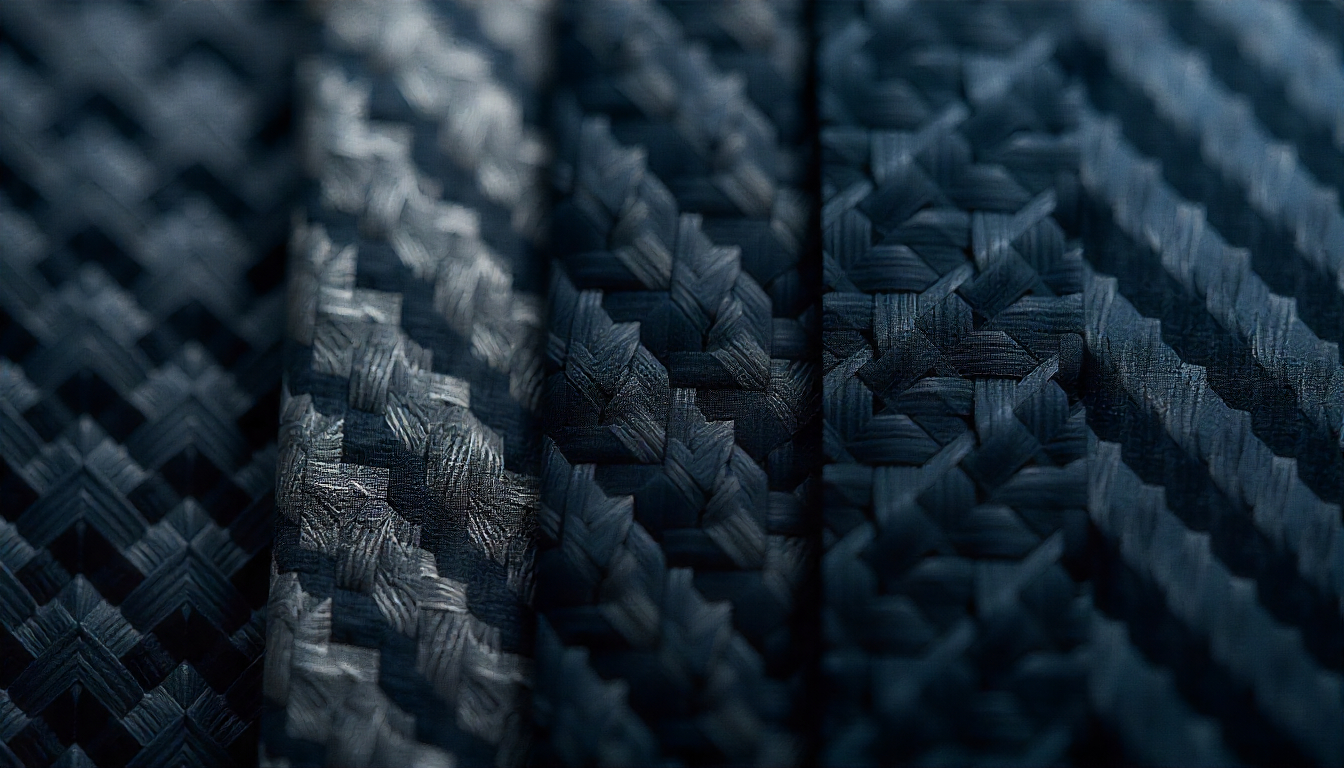
When you hold a piece of carbon fiber in your hands—light as air, impossibly strong, and finished with a weave that catches the light like nothing else—you’re not just holding a material. You’re holding decades of innovation, precision, and passion for performance. But not all carbon fiber is created equal. Carbon fiber grades are primarily classified by their tensile modulus (a measure of stiffness) and tensile strength (a measure of resistance to breaking under tension). The balance between these two properties determines a fiber’s grade and its perfect application. Typically, as stiffness (modulus) increases, tensile strength decreases, and understanding this relationship is key to selecting the right fiber for your build.
Whether you’re investing in handcrafted carbon fiber upgrades, custom carbon fiber steering wheels, or even carbon fiber repair services, knowing the grade of the material you choose can make all the difference.
Key Takeaways
- Carbon fiber is graded by tensile modulus (stiffness) and tensile strength (resistance to breaking).
- Standard Modulus (SM) is most common and cost-effective, perfect for general applications.
- Intermediate Modulus (IM) balances stiffness and strength for performance-grade use.
- High Modulus (HM) and Ultra-High Modulus (UHM) are used in aerospace and elite racing due to their extreme stiffness.
- Tow size (K-Grades) like 3K, 12K, or 24K refer to the number of filaments per bundle.
- High Strength (HS) and Super High Tensile (SHT) grades focus on break resistance rather than stiffness.
- Choosing the right grade impacts both performance and longevity of your carbon fiber car parts.
Classification by Tensile Modulus: Understanding Stiffness
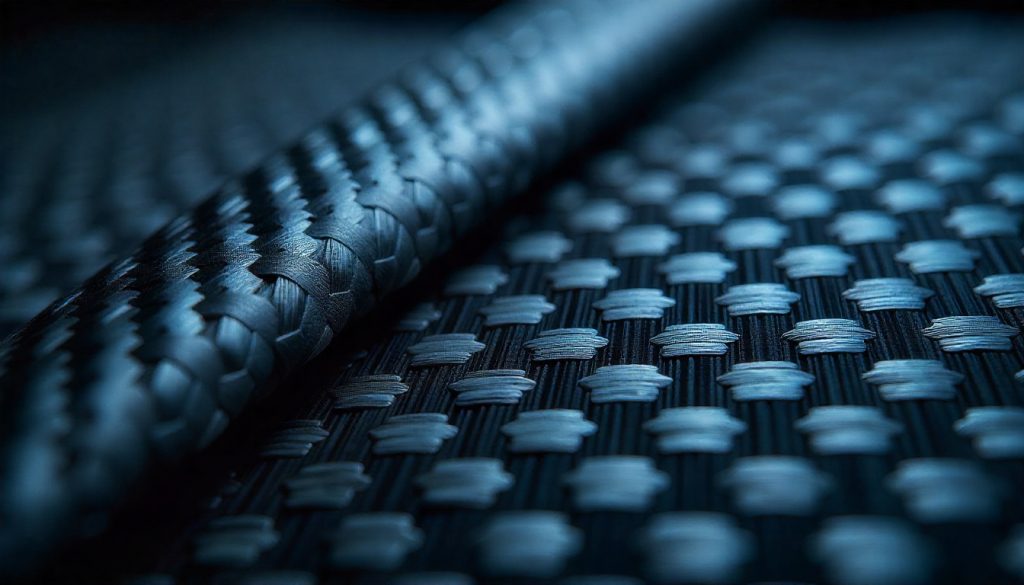
The most widely used system for classifying carbon fiber is by tensile modulus — how resistant the material is to elastic deformation under stress. This is typically measured in MSI (Million Pounds per Square Inch) or GPa (Gigapascals).
Standard Modulus (SM)
- Modulus: ~33 MSI (230 GPa)
- Applications: Carbon fiber license plate frames, bike frames, general-purpose automotive carbon fiber parts
- Why it matters: SM fiber is cost-effective, easy to work with, and versatile. It’s the go-to for lightweight upgrades that deliver style and strength without breaking the bank.
Intermediate Modulus (IM)
- Modulus: ~42 MSI (290 GPa)
- Applications: Custom carbon fiber steering wheels, performance suspension components, aftermarket carbon fiber upgrades
- Why it matters: IM hits the sweet spot for those wanting a mix of strength and rigidity. It is ideal for high-end personalized carbon fiber accessories where durability is just as critical as appearance.
High Modulus (HM)
- Modulus: ~55 MSI (380 GPa) or more
- Applications: High-speed performance parts, carbon fiber dashboard trim, race car body panels
- Why it matters: When you need max stiffness and minimum weight, HM delivers. But it’s brittle, which means it’s better for components where flexing isn’t required.
Ultra-High Modulus (UHM)
- Modulus: >65 MSI (450 GPa)
- Applications: Aerospace structures, precision instruments, ultra-light structural components
- Why it matters: This is the top tier. UHM is rare and costly, suited only for the most demanding environments—but when precision is everything, it pays off.
Carbon Fiber Grades by Modulus – Comparison Table
| Grade | Tensile Modulus | Typical Use Case |
|---|---|---|
| Standard Modulus | ~33 MSI / 230 GPa | General carbon fiber automotive parts, lifestyle gear |
| Intermediate Modulus | ~42 MSI / 290 GPa | Custom accessories, mid-performance builds |
| High Modulus | ~55 MSI / 380 GPa | High-performance, stiffness-priority parts |
| Ultra-High Modulus | >65 MSI / 450 GPa | Aerospace, ultra-precision components |
Classification by Tensile Strength: Prioritizing Durability
While stiffness gets most of the spotlight, tensile strength — the resistance to breaking under stress — is crucial for parts that face high load or impact.
High Strength (HS) / High Tensile (HT)
- Strength: ~500 ksi (3.5 GPa)
- Applications: Many carbon fiber car parts, including structural reinforcements
- Why it matters: This is the standard across most commercial custom carbon fiber accessories, balancing durability and cost.
Super High Tensile (SHT)
- Strength: >650 ksi (4.5 GPa)
- Applications: Crash zones, race safety structures
- Why it matters: SHT carbon fiber absorbs more impact, making it ideal for areas that demand resistance to sudden stress.
What is Tow Size (K-Grade) in Carbon Fiber?
Tow size refers to the number of individual carbon filaments bundled into a “tow” — a key aspect in handcrafted carbon fiber products.
3K Carbon Fiber
- 3,000 filaments per tow
- Visual Appeal: Iconic weave pattern, perfect for luxury automotive accessories
- Usage: Most carbon fiber interior mods, visible panels, carbon fiber key fobs and gifts
12K Carbon Fiber
- 12,000 filaments per tow
- Strength: More robust, though less flexible in tight curves
- Usage: Structural components, carbon fiber money clips, large moldings
24K and Beyond
- 24,000+ filaments per tow
- Application: Industrial, non-visual areas like reinforcements and underbody plates
Real Craftsmanship: Choosing the Right Carbon Fiber for Your Build
If you’re customizing a Ferrari, Lamborghini, or McLaren, you want materials that not only perform but reflect your personal taste. At Exotic Carbon Fiber, every product—from carbon fiber cigar holders to UV resistant carbon fiber dashboard trims—is crafted in the USA with precision, integrity, and passion.
From the distinctive shimmer of a 3K weave to the aerospace pedigree of UHM fibers, your performance car customization project deserves nothing less than the best.
We don’t believe in shortcuts, gimmicks, or hidden costs. Whether you’re ordering aluminum wheel spacers or titanium wheel bolts, every component we create carries the signature of true craftsmanship.
Materials alone don’t make a masterpiece. It’s the intention, the design, and the human touch that bring carbon fiber to life.
FAQs: Carbon Fiber Grades Explained
Does higher modulus always mean better quality?
Not necessarily. While higher modulus fibers are stiffer, they are also more brittle. The best grade depends on your application. For example, custom carbon fiber steering wheels benefit from intermediate modulus for strength and flexibility.
Is 3K carbon fiber weaker than 12K?
Tow size doesn’t directly correlate with strength. 3K is often used for visual appeal, while 12K or 24K is more about coverage and weight distribution. The actual grade (modulus/strength) determines performance.
How do I know what grade is used in my part?
Trust manufacturers who are transparent. At Exotic Carbon Fiber, we disclose material specs and offer carbon fiber repair services and custom builds using premium-grade fibers.
Can I upgrade to a different fiber grade in my custom part?
Absolutely. We collaborate directly with clients to match the right fiber for every application, from carbon/Kevlar custom finishes to high-tensile components.
Choosing Exotic Carbon Fiber: Where Performance Meets Precision
With over 750 SKUs and parts for 95+ car models, Exotic Carbon Fiber is more than a supplier. We’re your design partner. Whether you need carbon fiber interior mods, carbon fiber valve stem caps, or a complete restyling with custom carbon fiber accessories, every piece is proudly Made in the USA.
Want to see how our fibers transform high-performance builds? Check out our curated collections of premium carbon fiber components and customer showcases on ExoticCarbonFiber.com.
Looking for help with an existing part? Learn more about our proprietary carbon fiber repair services.
At Exotic Carbon Fiber, the right grade of fiber is just the beginning. Let’s build something legendary together.
By: Exotic Carbon Fiber Editorial Team
Disclaimer: This blog post is for informational purposes only and should not be considered professional advice.