
Love what you drive? Start your upgrade with handcrafted carbon fiber parts and accessories, precision-built for performance, style, and individuality.
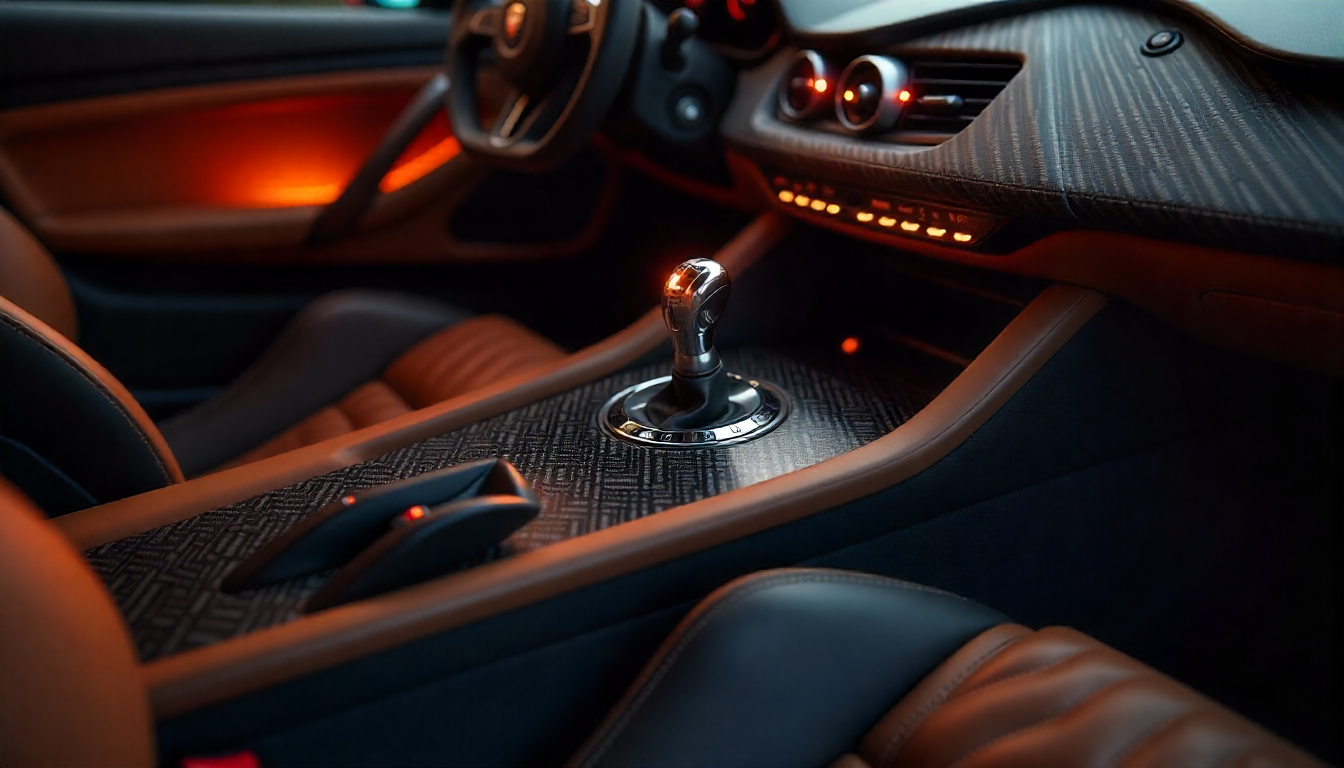
When you run your hand along a perfectly woven sheet of carbon fiber, you can feel the story it tells — of precision, innovation, and uncompromising quality. For automotive enthusiasts, carbon fiber isn’t just a material; it’s a declaration of performance and style. The most expensive types of carbon fiber are generally those with extremely high stiffness, known as high-modulus (HM) or ultra-high-modulus (UHM) fibers. Unlike high-strength (HS) fibers, which are more common in mainstream applications, HM and UHM fibers deliver unmatched rigidity — and they come at a premium. Their cost is driven by rare precursor materials like mesophase pitch, an energy-intensive manufacturing process that includes heating to temperatures up to 3000°C, and limited production by only a handful of specialized manufacturers. Take, for instance, the Cytec Thornel P-100 with a tensile modulus of 470 GPa — a material found in aerospace, defense, and high-end scientific equipment, where stiffness is not just desirable, but essential.
Key Takeaways
- High-modulus and ultra-high-modulus fibers are the most expensive types of carbon fiber.
- Mesophase pitch precursor material significantly increases production costs.
- The manufacturing process includes extreme heat treatment (graphitization) up to 3000°C.
- Production is limited to specialized manufacturers, adding to exclusivity.
- Used in aerospace, defense, and elite automotive customization.
- Exotic Carbon Fiber specializes in premium, handcrafted automotive parts made in the USA.
- Custom carbon fiber accessories combine performance, style, and durability.
Understanding High-Modulus and Ultra-High-Modulus Carbon Fiber
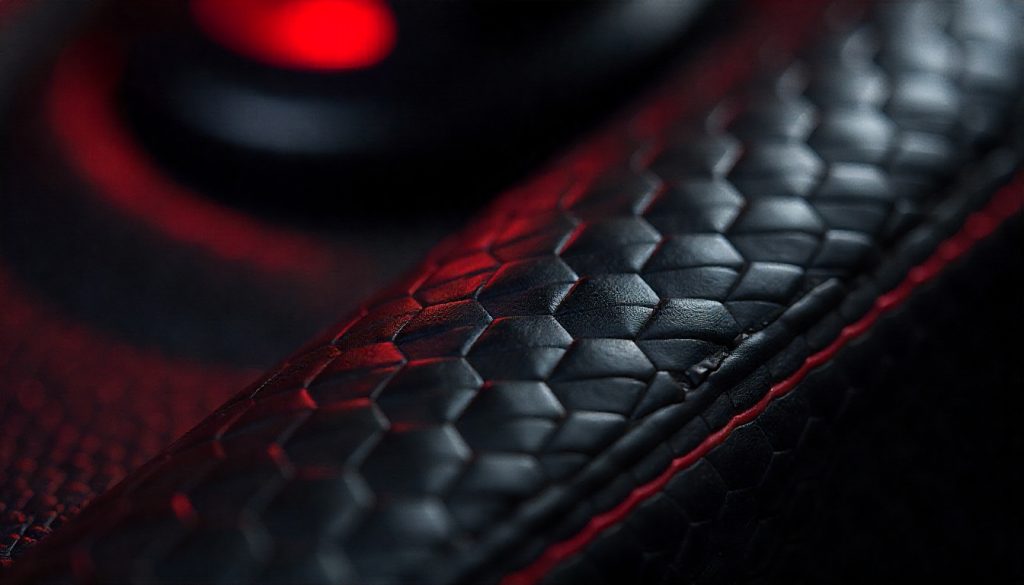
What Makes Them Different from High-Strength Fibers?
High-strength (HS) fibers focus on tensile strength, making them ideal for applications requiring resistance to breaking under load. High-modulus fibers, however, prioritize stiffness — they resist deformation under stress. This makes them perfect for performance car parts where rigidity can translate to more precise handling and improved aerodynamics.
Why Mesophase Pitch Matters
Most carbon fiber uses polyacrylonitrile (PAN) as the precursor. Mesophase pitch, however, is a petroleum or coal tar byproduct with a unique molecular structure that allows for greater alignment of carbon atoms during processing. This results in fibers that outperform PAN-based carbon fibers in stiffness and thermal conductivity.
| Fiber Type | Typical Precursor | Tensile Modulus (GPa) | Common Applications |
|---|---|---|---|
| High-Strength (HS) | PAN | 230-250 | Automotive, sporting goods, bicycles |
| High-Modulus (HM) | PAN or Mesophase Pitch | 350-400 | Aerospace, premium automotive parts |
| Ultra-High-Modulus (UHM) | Mesophase Pitch | 450+ | Defense, space exploration, scientific equipment |
The Manufacturing Journey: From Precursor to Perfection
Step 1: Precursor Creation
For HM and UHM fibers, selecting the right precursor is critical. Mesophase pitch is purified and processed to create a consistent, high-quality feedstock.
Step 2: Stabilization
Fibers are heated in air at moderate temperatures to stabilize their structure. This step prevents melting in later stages.
Step 3: Carbonization
Fibers are heated in an inert atmosphere to temperatures above 1000°C, removing non-carbon elements.
Step 4: Graphitization
This is where the magic happens — fibers are exposed to up to 3000°C, aligning carbon layers and dramatically increasing stiffness.
Step 5: Surface Treatment and Sizing
A treated surface ensures resin adhesion, crucial for creating strong, lightweight car performance upgrades.
Exotic Carbon Fiber: Bringing HM & UHM Technology to Automotive Art
At Exotic Carbon Fiber, we harness the same advanced materials used in aerospace and defense to create handcrafted carbon fiber automotive parts. Whether it’s custom carbon fiber steering wheels, carbon fiber license plate frames, or personalized carbon fiber accessories, every piece is made in the USA with exacting attention to detail.
“When a customer chooses Exotic Carbon Fiber, they’re investing in more than a product. They’re investing in craftsmanship, exclusivity, and performance that will stand the test of time.”
From carbon fiber dashboard trim to carbon fiber valve stem caps and carbon fiber key fobs and gifts, we craft each component to not only enhance performance but also elevate the driving experience.
Why They Cost So Much: Breaking Down the Price
- Material Rarity: Mesophase pitch is rare and costly to refine.
- Energy Demand: Heating to 3000°C consumes massive amounts of energy.
- Specialized Equipment: Requires advanced furnaces and precision control.
- Small-Scale Production: Low production volumes maintain exclusivity.
This level of investment means the resulting premium carbon fiber components are in a class of their own.
Applications in Exotic and Performance Cars
Performance Benefits
- Reduced weight for faster acceleration.
- Enhanced stiffness for improved handling.
- High heat resistance for extreme driving conditions.
Style Benefits
- Sleek matte or gloss finishes.
- Custom weave patterns and carbon/Kevlar custom finishes.
- Options for personalized designs, from carbon fiber money clips to carbon fiber cigar holders.
Customization: Your Vision, Our Craft
We believe in performance car customization that reflects the driver’s personality. As a direct supplier, we offer transparent pricing with no hidden fees for artwork, molding, or setup. Customers collaborate with us to bring their vision to life — from aftermarket carbon fiber upgrades to UV-resistant carbon fiber interior mods.
For example, pairing titanium wheel bolts and aluminum wheel spacers with lightweight carbon fiber body panels doesn’t just boost performance; it redefines the car’s presence.
Internal & External Resources
- Learn more about custom carbon fiber accessories we create.
- For a deeper dive into high-modulus carbon fiber manufacturing, see Hexcel’s technical resources.
FAQs
What is the main difference between high-strength and high-modulus carbon fiber? High-strength focuses on tensile strength (resistance to breaking), while high-modulus prioritizes stiffness (resistance to bending or deformation).
Is ultra-high-modulus carbon fiber worth the cost for automotive parts? For applications where precision handling and maximum rigidity are vital — yes. It’s most beneficial in high-performance, exotic, or track-focused vehicles.
Can Exotic Carbon Fiber create custom designs using HM or UHM fibers? Absolutely. We work directly with clients to create custom carbon fiber accessories and components using the right material for the performance and style they desire.
Are HM and UHM carbon fibers UV resistant? The fiber itself is resistant, but we apply UV-protected finishes to ensure longevity and maintain that showroom gloss.
Do HM carbon fibers make parts heavier? No. While stiffness increases, the density is similar to HS fibers, so weight savings remain a benefit.
By blending aerospace-grade materials with handcrafted automotive artistry, Exotic Carbon Fiber delivers not just parts, but experiences. For drivers who demand nothing but the best, HM and UHM carbon fibers are more than worth their premium price tag.
By: Exotic Carbon Fiber Editorial Team
Disclaimer: This blog post is for informational purposes only and should not be considered professional advice.