
Love what you drive? Start your upgrade with handcrafted carbon fiber parts and accessories, precision-built for performance, style, and individuality.
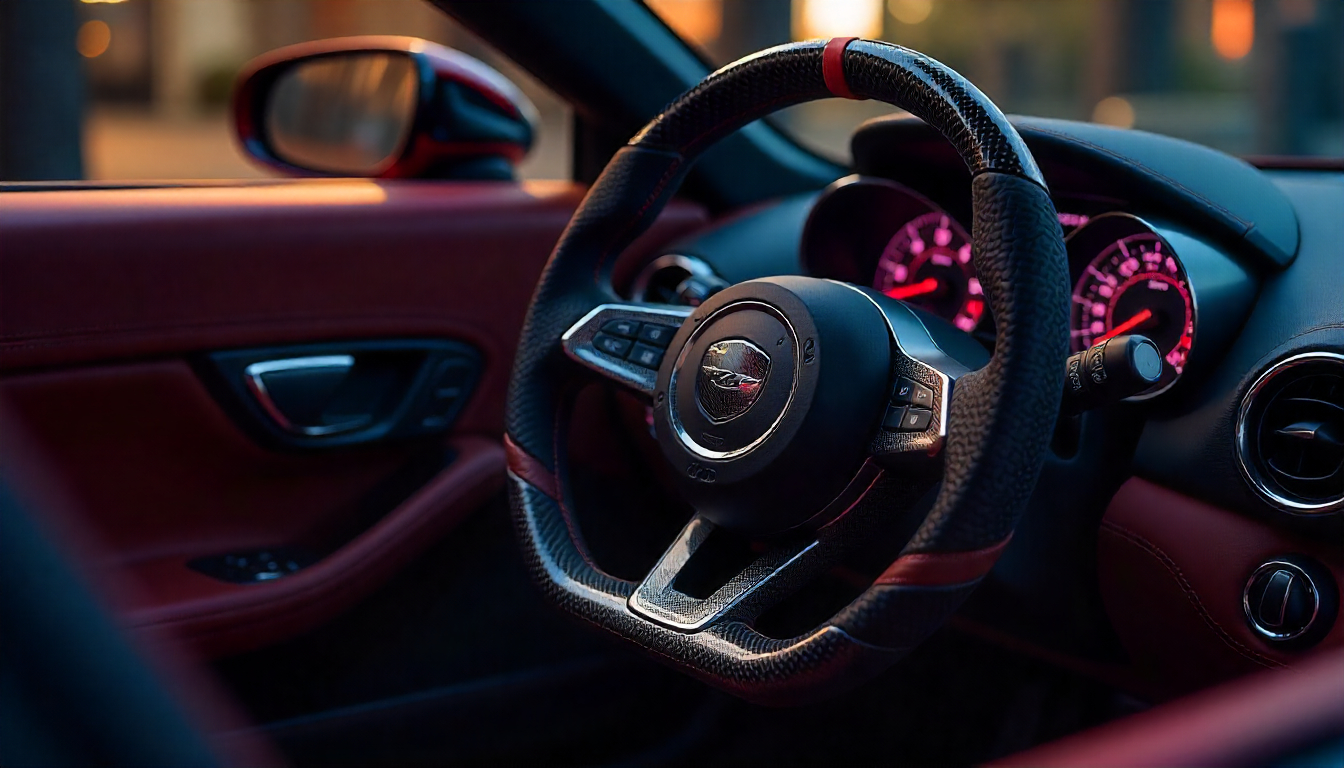
Have you ever held a piece of real carbon fiber in your hand and felt the weightlessness of something so impossibly strong? It’s more than just a material—it’s a statement. It’s what separates an average drive from a precision-engineered experience. But as you’re pricing carbon fiber car parts or custom carbon fiber accessories, there’s one question that inevitably arises: why is carbon fiber so costly?
Carbon fiber is expensive primarily due to the high cost of its precursor material and the complex, energy-intensive manufacturing process required to produce it. It’s not just the science behind it that drives the price, but the craftsmanship, time, and performance benefits that follow.
Key Takeaways
- Carbon fiber is made from a costly precursor, primarily polyacrylonitrile (PAN), which accounts for over 50% of production cost.
- The manufacturing process is time-consuming, energy-intensive, and highly specialized.
- Handcrafted carbon fiber parts require precision labor and strict quality control.
- Low production volumes and lack of economies of scale further elevate the cost.
- Carbon fiber offers a premium strength-to-weight ratio, ideal for high-performance automotive applications.
- Custom carbon fiber steering wheels and trim enhance both style and vehicle control.
- Exotic Carbon Fiber provides made in USA carbon fiber parts with transparent pricing, no hidden fees, and collaborative design experiences.
The Real Cost of Raw Materials: PAN Polymer and Beyond
What Makes PAN So Expensive?
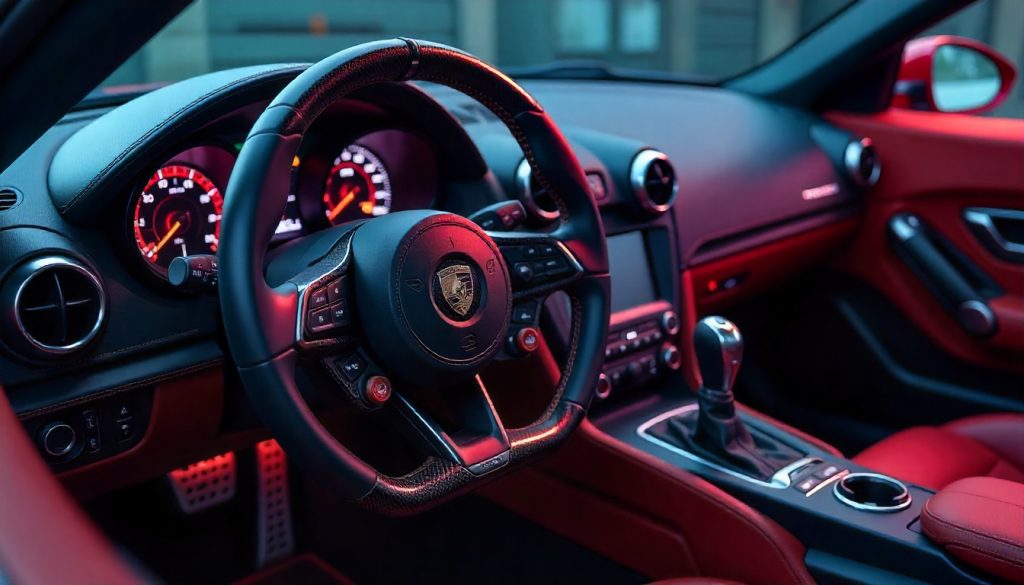
Polyacrylonitrile (PAN) is the most commonly used precursor in carbon fiber automotive parts. It is chosen for its structural integrity and performance. PAN fibers undergo multiple purification and stabilization steps before they are even considered for carbonization.
According to industry data:
| Material | Cost Contribution to Final Product | Reason |
|---|---|---|
| PAN Polymer | Over 50% | High purity, complex synthesis process |
| Pitch/Rayon | Less than 30% | Cheaper, but lower quality fibers |
Handcrafted carbon fiber that meets the stringent standards of exotic car manufacturers cannot afford to compromise on material quality.
Inside the Manufacturing Process: Precision Meets Power
Creating premium carbon fiber components is far from a plug-and-play operation. Each strand goes through a sophisticated transformation that elevates its strength and performance. Here’s what that journey looks like:
1. Stabilization: Setting the Foundation
The PAN fibers are heated in the presence of oxygen at 200–300 °C. This stage rearranges the molecules, a necessary precursor to full carbonization. It takes hours and consumes significant energy.
2. Carbonization: The Heart of the Process
Fibers are heated above 1,000 °C in an inert atmosphere. This removes all non-carbon elements. Specialized kilns and vacuum environments make this one of the most expensive steps.
3. Surface Treatment & Sizing: Binding Perfection
Fibers undergo chemical treatments to improve resin bonding. Then, they’re coated (sized) to prevent damage during weaving.
Each of these steps requires state-of-the-art equipment, skilled technicians, and constant monitoring to meet the standards expected in custom carbon fiber accessories.
Why Performance Justifies the Price
In the world of supercars and performance builds, weight isn’t just a number—it’s a metric that dictates acceleration, handling, and fuel efficiency.
Carbon fiber offers a strength-to-weight ratio five times greater than steel and double that of aluminum. That means you can shave pounds while increasing strength.
Our customers often tell us:
The first time I swapped my OEM steering wheel with a custom carbon fiber steering wheel, it was like holding a scalpel instead of a hammer.
When you add that tactile feel to the precise control carbon fiber provides, you’re not just driving. You’re connected.
Applications That Demand Excellence
Here are just a few areas where exotic car carbon fiber parts make a difference:
- Motorsports: Formula 1 teams rely on carbon/Kevlar custom finishes for lightweight safety.
- Supercars: Brands like Ferrari and McLaren integrate carbon fiber dashboard trim to reduce weight and elevate interior aesthetics.
- Daily Drivers with Style: From carbon fiber license plate frames to carbon fiber key fobs and gifts, style and functionality go hand in hand.
Whether you’re customizing a McLaren or a Mustang, the value isn’t just in appearance—it’s in performance, durability, and the made in USA carbon fiber promise.
Customization Adds Value and Cost
Every design choice—from weave pattern to finish—is a mark of individuality. That comes at a premium, but it’s also what sets your build apart.
Popular Custom Carbon Fiber Accessories:
- Carbon fiber money clips and cigar holders: Style meets utility
- Carbon fiber interior mods: From dash panels to gear knobs
- Titanium wheel bolts and aluminum wheel spacers: Lightweight car performance upgrades
You can see our complete product range here.
Why Economies of Scale Don’t Apply
Unlike mass-produced parts, aftermarket carbon fiber upgrades are typically low-volume and highly customized. That means:
- Longer production cycles
- More labor-intensive quality control
- Less opportunity to automate
Yet, our direct-to-customer model allows us to keep costs transparent and avoid unnecessary markups. You can read more about our process and pricing on our About Us page.
Transparency and Trust
At Exotic Carbon Fiber, every part is:
- Handcrafted to exacting tolerances
- Designed and manufactured in the USA
- Backed by carbon fiber repair services
We don’t hide behind vague pricing or setup fees. Your investment goes directly into quality and personalization.
There are no shortcuts when it comes to performance or craftsmanship. Every thread, every cut, and every polish is intentional.
Frequently Asked Questions
Why is carbon fiber more expensive than steel or aluminum?
Because the raw materials (especially PAN) are expensive, and the production process is highly specialized and energy-intensive. Also, the performance benefits make it a high-value material.
Is carbon fiber worth the price for a daily driver?
Absolutely—even small parts like carbon fiber valve stem caps or license plate frames can reduce weight and add durability. Plus, they elevate the aesthetic instantly.
Can carbon fiber be repaired?
Yes. We offer advanced carbon fiber repair services for structural and cosmetic damage, ensuring your investment lasts.
Is all carbon fiber made equal?
No. Cheaper versions may use blended materials or skip essential manufacturing steps. Always opt for premium carbon fiber components made to industry-grade specifications.
How does Exotic Carbon Fiber ensure quality?
We maintain full control of the manufacturing process in our US-based facility. We also offer transparent communication and customization options to every client.
In Summary: The Price Reflects the Precision
Carbon fiber isn’t just a material—it’s a performance multiplier. From carbon fiber car parts to personalized carbon fiber accessories, the price reflects not only the cost of materials and manufacturing but also the unmatched benefits in strength, weight savings, and style.
When you invest in Exotic Carbon Fiber, you’re investing in craftsmanship, customization, and American-made excellence that stands the test of time. Every part tells a story. And it starts with you.
Ready to upgrade your drive?
Explore our custom carbon fiber accessories and design your own performance masterpiece today.
By: Exotic Carbon Fiber Editorial Team
Disclaimer: This blog post is for informational purposes only and should not be considered professional advice.